
Top-Rated Products For Exterior Concrete Stair Repairs You Should Know
Learn about the most effective products to fix and reinforce outdoor stairs, enhancing safety and longevity.
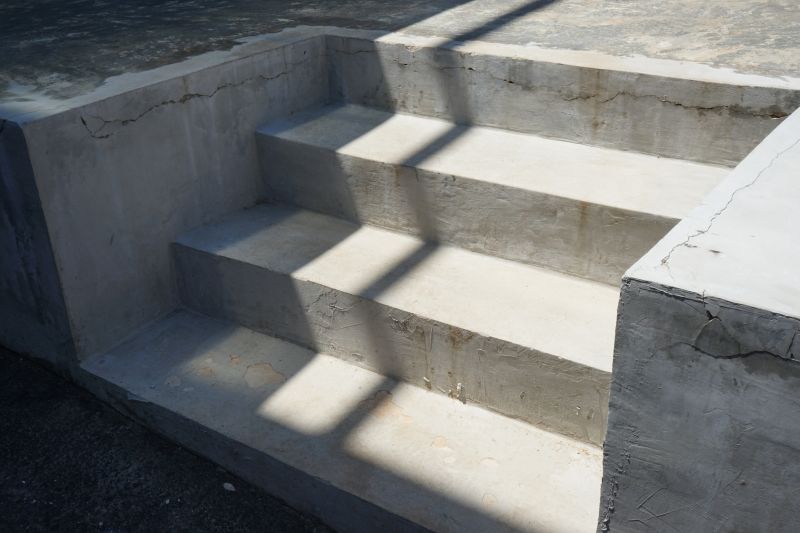 Exterior stair concrete repairs are essential for maintaining safety and structural integrity in outdoor spaces. Over time, exposure to weather elements such as rain, snow, and temperature fluctuations can cause concrete surfaces to crack, spall, or become uneven. Addressing these issues promptly with appropriate repair products can help prevent further deterioration and extend the lifespan of the stairs. Various products are available to suit different types of damage, from small cracks to significant surface degradation.
Top Overall Option
Concrete Repair Patch and Resurfacer
A versatile concrete repair patch combined with a resurfacing compound offers a comprehensive solution for restoring exterior stair surfaces. It is suitable for filling cracks, leveling uneven areas, and providing a smooth, durable finish. These products typically feature good adhesion, flexibility, and resistance to weathering, making them ideal for outdoor applications where longevity is important.
Types of Products For Exterior Stair Concrete Repairs
Concrete Crack Filler
Designed specifically for filling small to medium cracks, these fillers help prevent further damage and water infiltration.
Concrete Patching Compound
Used to repair holes and spalls, providing a strong bond with existing concrete surfaces.
Resurfacing Concrete Overlay
A thin layer applied over existing concrete to restore surface texture and appearance.
Polymer Modified Cement
Enhanced with polymers for increased flexibility and adhesion, suitable for larger repairs.
Hydraulic Cement
Ideal for stopping active leaks and sealing cracks quickly and effectively.
Concrete Sealant
Provides a protective barrier against water and weather elements, extending repair durability.
Epoxy Concrete Repair
Offers high-strength bonding for structural repairs and filling deep cracks.
Self-Leveling Concrete Mix
Designed to create a smooth, level surface over uneven areas or damaged steps.
Concrete Resurfacer
A durable coating that restores the appearance and surface integrity of worn concrete.
Bonding Agent
Enhances adhesion between old and new concrete layers during repairs or overlays.
Polyurethane Foam Sealant
Fills larger gaps and voids, providing flexibility and weather resistance.
Concrete Hardener
Penetrates and consolidates porous concrete surfaces, improving durability.
Popular Choices
Widely used for sealing small cracks and preventing water ingress in outdoor stairs.
Commonly selected for repairing spalls and holes in exterior concrete steps.
Popular for restoring worn surfaces with a fresh, smooth finish.
Often used for quick sealing of active leaks and cracks in outdoor stairs.
Chosen for providing a protective layer against weather damage and moisture.
Preferred for structural repairs requiring high strength and durability.
Ideal for creating smooth surfaces over uneven or damaged steps.
Popular for revitalizing aging or stained concrete surfaces.
Frequently used to improve adhesion between existing and new concrete layers.
Selected for filling large voids and providing weather-resistant sealing.
Choosing the right repair solution depends on the specific condition of the concrete, the extent of damage, and the desired durability. For minor cracks and surface imperfections, patching compounds and cement-based fillers are often suitable. For larger cracks or spalled areas, more robust solutions like concrete resurfacing compounds or overlays might be necessary. Proper surface preparation, including cleaning and roughening the existing concrete, is crucial for optimal adhesion and long-lasting results.
Safety considerations should also guide product selection. Some repair materials are designed to withstand freeze-thaw cycles, which is particularly important in climates with cold winters. Additionally, selecting products with good adhesion properties and flexibility can accommodate slight movements in the concrete, reducing the risk of future cracking. Regular maintenance and timely repairs can significantly improve the safety and appearance of exterior stairs, making them more functional and visually appealing.
Overall, investing in quality repair products tailored for outdoor concrete stairs can help preserve their structural integrity and aesthetic appeal. Whether addressing small cracks or resurfacing entire steps, understanding the different product options and their applications is key to achieving durable and reliable repairs. Proper use and application of these products can lead to safer, longer-lasting outdoor stairways that withstand the elements over time.
Key Buying Considerations
- Assess the extent and type of damage to determine the appropriate repair product.
- Choose products compatible with outdoor use and capable of withstanding weather conditions.
- Consider the flexibility of the repair material to accommodate slight concrete movements.
- Evaluate adhesion properties to ensure long-lasting bonds with existing concrete.
- Check for weather resistance features, especially resistance to freeze-thaw cycles.
- Select repair compounds that match the texture and appearance of existing stairs if aesthetics matter.
- Review drying and curing times to plan repair schedules effectively.
- Determine if a bonding agent is needed for better adhesion in repairs involving multiple layers.
- Opt for products that are easy to apply with the tools available, such as trowels or brushes.
- Consider the longevity and durability of the repair material to minimize future maintenance.
- Verify compatibility with other repair products if multiple types will be used in a project.
- Look for products with good user reviews and manufacturer instructions for proper application.
- Identify if surface preparation tools like cleaning agents or primers are necessary before application.
- Evaluate the cost-effectiveness of the repair options based on the size of the repair area.
This content contains affiliate links. We may earn a commission if you make a purchase through these links, at no additional cost to you.